
Introduction: Why Fibermaxxing Matters
Your gut isn’t just a digestion tube — it’s a thriving ecosystem of trillions of microbes that affect everything from your mood to your immune system. But not all fiber is created equal. Rather than just eating more fiber, what if we focused on diversifying the types of fiber we consume? That’s the heart of Fibermaxxing: maximizing the variety of fiber to support a rich, resilient gut microbiome.
In this post, we’ll expand on the core ideas from the vlog, unpack the science, and give you a practical, actionable 4‑week Fibermaxxing plan. Whether you’re struggling with bloating, digestion, or just want to optimize your health, this guide will help you reset your gut with purpose.
What Is Fibermaxxing?
Fibermaxxing is a nutrition strategy that focuses not just on how much fiber you eat, but on which kinds you include: soluble fiber, insoluble fiber, resistant starch, and polyphenol-rich fibers. Each type feeds different beneficial bacteria in the gut. By offering a wide “menu” of diverse plant compounds, you naturally encourage a richer and more resilient gut microbiome.
Think of your gut like a rain forest. A rain forest thrives on biodiversity — the more species that coexist, the stronger and more stable the ecosystem becomes. Your gut works the same way. When you eat a broad variety of fibers, you create more niches for helpful microbes to flourish, produce beneficial metabolites such as short-chain fatty acids (SCFAs), and ultimately support overall health.
The Science Behind Fiber Diversity
Research consistently shows that higher fiber intake is strongly linked to a more diverse and beneficial gut microbiome. Increased fiber consumption shifts gut bacterial populations toward species such as Faecalibacterium prausnitzii, a major butyrate producer known for its anti-inflammatory effects. Trusted Source
Reviews on dietary fiber and microbiota interactions show that both short-term and long-term changes in fiber intake can reshape the microbial ecosystem. These shifts enhance SCFA production, which plays essential roles in strengthening the gut lining, regulating inflammation, and supporting metabolic balance. Emerging research also confirms that the benefits of fiber extend well beyond digestion. Trusted Source Microbial metabolites created during fiber fermentation can influence whole-body processes—from metabolic health to immune regulation—with potential protective effects against obesity and metabolic disease. Trusted Source
Newer studies deepen this understanding. A 2024 mouse study found that different fiber types not only boost SCFA production but also stimulate microbial synthesis of B-vitamins, adding another layer of immune support. Human clinical trials echo these findings: fiber interventions can improve metabolic markers such as insulin regulation and lipid profiles, likely through microbiome-driven mechanisms. Trusted Source
Researchers also note that your starting gut composition matters. Individuals with higher baseline microbial diversity may respond more robustly to increased fiber intake — highlighting that your unique microbial “fingerprint” can influence the benefits you experience. Trusted Source
Large population studies, including data from the TwinsUK cohort, further illustrate fiber’s broader impact. Trusted Source Higher fiber intake, paired with greater microbial diversity, has been linked to reduced long-term weight gain, independent of calorie intake. This suggests that fiber’s effects on body weight extend far beyond appetite or calorie absorption — they’re also rooted in how fiber reshapes and nourishes the gut microbiome itself.
Why Fibremaxxing (vs Just “More Fiber”) Matters
- Variety over volume: Focusing purely on adding more fiber (e.g., taking a supplement) may help, but diversifying types of fiber brings more benefit. Different bacterial species prefer different substrates; a varied diet ensures more of them thrive. Trusted Source
- Personalized response: Because individuals’ microbiomes differ, a one-size-fits-all fiber plan may not be optimal. People with more diverse microbiomes may respond better to fiber interventions. Trusted Source
- Immune & metabolic resilience: Fibremaxxing supports not just digestion, but immune cell function (via microbial metabolites) and metabolic regulation. Trusted Source
- Long-term health: Higher microbiome diversity is linked to lower risk of chronic diseases, healthier weight trajectories, and better systemic inflammation regulation. Trusted Source
Types of Fiber (and Why They Matter)
To truly benefit from fibermaxxing, it helps to understand that not all fiber behaves the same way in your gut. Different fibers act like different “menus” for your microbes, feeding various species, influencing digestion, shaping inflammation, and even affecting mood and metabolic health. When we diversify our fibre sources, we diversify the microbial communities that support our immunity, metabolism, and overall gut resilience. Below is a deeper look at the main fibre categories — and why your gut loves each of them.
Soluble Fiber – The Gel-Forming, Microbe-Nourishing Kind
Soluble fiber dissolves in water and forms a soft gel-like substance in the digestive tract. This gel slows digestion just enough to help stabilise blood sugar levels and improve satiety after meals. But the real magic happens lower down in the colon: soluble fiber becomes prime food for your gut bacteria. As microbes ferment these fibers, they produce short-chain fatty acids (SCFAs) such as butyrate and propionate — natural compounds that reduce inflammation, strengthen the gut lining, improve insulin sensitivity, and even support mental well being through the gut–brain axis.
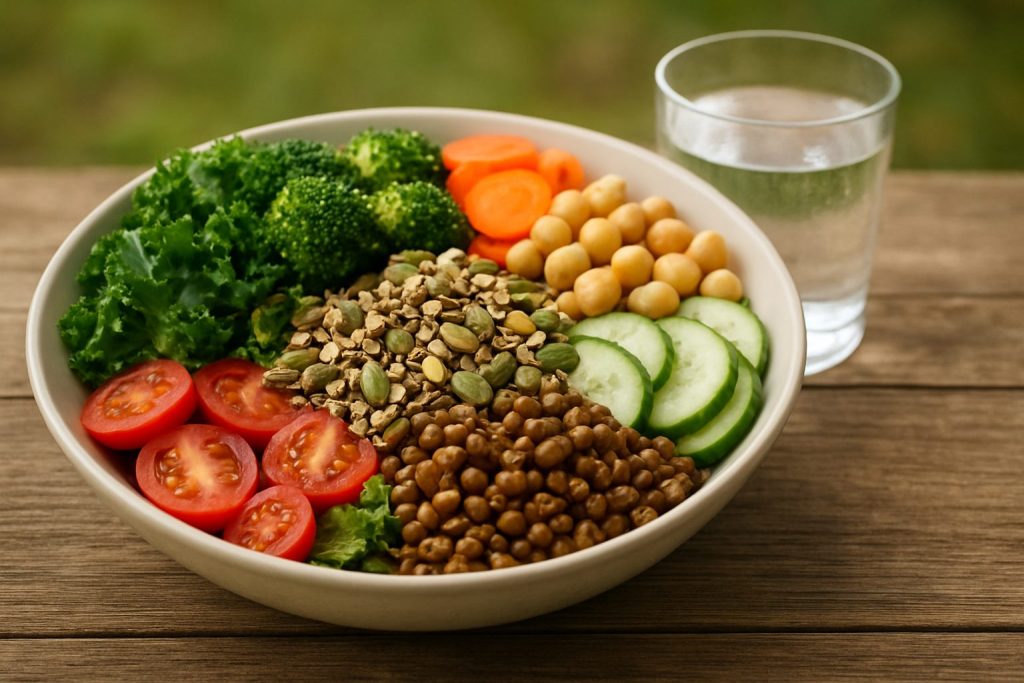
Foods rich in soluble fiber include oats, apples, beans, carrots, citrus fruits, and psyllium husk. Including these regularly ensures you’re feeding the bacteria responsible for producing those SCFAs that keep your gut ecosystem thriving.
Insoluble Fibre – The “Broom” That Keeps Things Moving
Insoluble fiber, unlike soluble fiber, does not dissolve in water. Instead, it adds bulk and structure to your stool, supporting healthy bowel transit and preventing constipation. It acts like nature’s broom, helping material move smoothly through the colon and encouraging regular elimination — a key part of detoxification and digestive comfort.
You’ll find insoluble fiber in whole grains, wheat bran, seeds, and many vegetables such as cauliflower, green beans, and zucchini. For anyone struggling with sluggish digestion, this type of fibre is essential for improving motility and keeping the digestive system functioning optimally.
Resistant Starch – The Underrated Butyrate Booster
Resistant starch is a unique type of starch that escapes digestion in the small intestine and travels intact to the colon. There, it becomes one of the most powerful prebiotics for butyrate-producing bacteria — the superheroes of colon health. Butyrate fuels the cells lining your colon, reduces gut inflammation, and plays a role in protecting against metabolic diseases.
You can increase resistant starch naturally through foods like green bananas, legumes, and cooked-then-cooled potatoes or rice (cooling changes the starch structure so more of it becomes “resistant”). Adding these foods into your weekly routine gives your gut microbiome a steady supply of fuel for the bacteria that protect your gut lining and overall metabolic health.
Polyphenol-Rich Fiber – The Anti-Inflammatory Powerhouses
Polyphenols are plant compounds celebrated for their antioxidant and anti-inflammatory properties. Many polyphenol-rich foods also contain fibers, and together, they form a potent combination for gut health. These compounds reach the colon, where gut microbes transform them into metabolites that strengthen the intestinal barrier, regulate inflammation, and support a more balanced microbial environment.
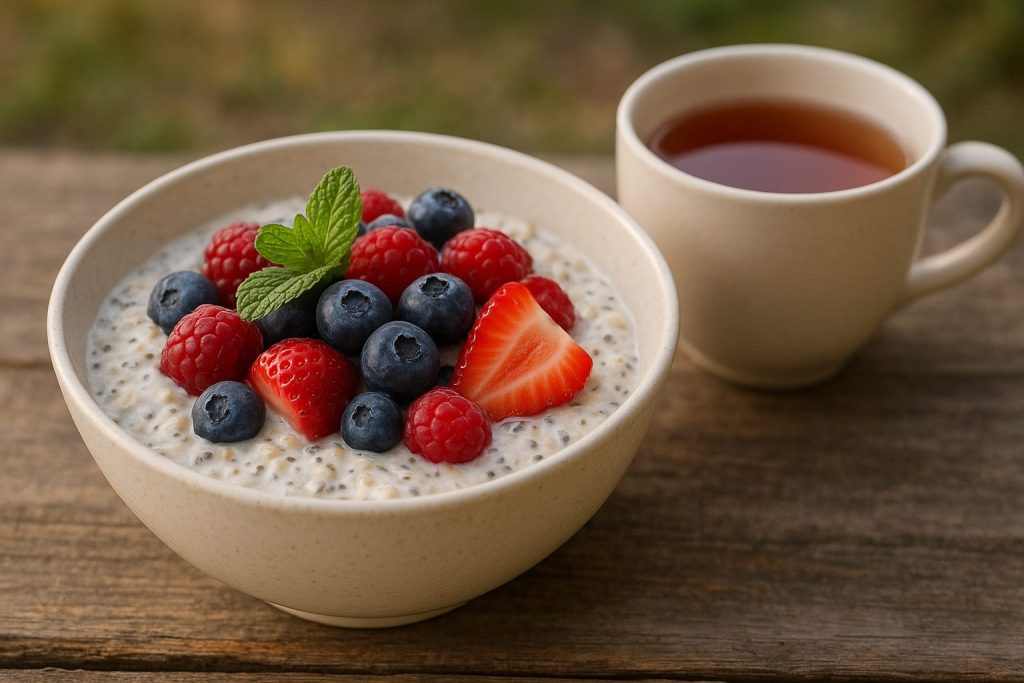
Think of berries, cocoa, dark chocolate, nuts, seeds, extra virgin olive oil, tea, and colourful fruits and vegetables. These foods not only taste amazing but also feed beneficial bacteria that produce anti-inflammatory compounds — making them essential additions to any fibermaxxing lifestyle.
Prebiotic Fibers – The Targeted Support Crew
Prebiotic fibers are specialised types of carbohydrates that selectively nourish specific beneficial microbes, especially Bifidobacteria and Lactobacillus species. These include inulin, fructooligosaccharides (FOS), galactooligosaccharides (GOS), and others found naturally in foods such as onions, garlic, asparagus, bananas, leeks, chicory root, and legumes.
Because prebiotic fibers are highly fermentable, even small amounts can offer powerful benefits — from better mineral absorption and improved immune function to reduced inflammation and enhanced gut barrier strength. Including a variety of prebiotic-rich foods ensures your microbiome is well-fed and well-balanced.
Lifestyle Habits to Support Fibermaxxing
Fibermaxxing works best when paired with supportive lifestyle habits:
- Move your body: Regular physical activity supports gut motility (the movement of your digestive tract), which helps fiber do its job.
- Manage stress: Chronic stress negatively impacts your gut microbiome. Techniques like meditation, deep-breathing, or journaling help.
- Sleep well: Poor sleep reduces microbial diversity; aim for consistent, good-quality sleep.
- Limit processed foods: Ultra-processed foods often lack fiber diversity and can harm microbial balance.
- Avoid over-sanitisation: Everyday exposure to nature and less overuse of antibacterial products can help maintain microbial richness.
Expected Benefits of Fibermaxxing
Here’s what many people experience (or studies suggest) as they commit to Fibermaxxing:
- Better digestion: More regular bowel movements, less bloating, less gas.
- Improved immune function: Through microbial metabolites, your immune cells can operate more effectively. (Backed by animal and translational research.) Trusted Source
- Reduced inflammation: Diverse fiber supports bacteria that make anti-inflammatory SCFAs. Trusted Source
- Stable energy & metabolism: Improved insulin sensitivity, better blood sugar control, potentially less long-term weight gain. Trusted Source
- Healthier gut barrier: SCFAs strengthen gut lining, reducing “leaky gut.”
- Personalised resilience: Over time, increased microbial diversity makes your gut more robust against dietary stress, illness, or lifestyle shifts.
Common Challenges & How to Overcome Them
Here are some common pitfalls and solutions when starting a Fibremaxxing journey:
| Problem | Solution |
|---|---|
| Bloating / gas | Add new fibers more slowly. Start with smaller portions. Use warm water or herbal teas to ease digestion. |
| Constipation (despite fiber) | Increase water intake. Add more insoluble fiber (e.g., whole grains, vegetables). Move more. |
| Sticking to the plan | Plan your meals. Use a “fiber variety” tracker. Mix up recipes (smoothies, stir-fries, salads). |
| Digestive discomfort | Listen to your body. If a certain fiber causes issues, reduce it and reintroduce later. You can also rotate fiber sources. |
How to Track Progress
To see how Fibermaxxing is working for you, track:
- Digestion: Frequency of bowel movements, consistency, bloating/gas.
- Energy & mood: Note changes in energy levels, clarity, or mood shifts — gut health often influences these.
- Sleep quality: Better gut health can help improve sleep.
- Long-term health: If possible, track biomarkers (via blood work) like inflammation markers, or just note how you feel in general.
When to Be Careful / Consult a Professional
- If you have a GI condition (IBS, IBD, SIBO, etc.), introduce fibers under guidance, especially fermentable/prebiotic ones.
- If you’re on medication (e.g., for diabetes or cholesterol), check with your doctor before large dietary shifts.
- If you experience persistent or severe gut symptoms (pain, bleeding, sudden change in bowel habits), consult a healthcare professional.
In the end, Fibermaxxing is really about unlocking the full power of food to support your gut — and the rest of your body. By maximising your variety of fibres, you nourish a more diverse, resilient microbiome that supports digestion, immunity, metabolism, and long-term health from the inside out. When you combine different fiber types — soluble, insoluble, resistant starch, polyphenols — with fermented foods and supportive lifestyle habits, you create a gut ecosystem that can truly reset, repair, and thrive. And the best part? There’s no perfection required. Fibermaxxing is flexible, sustainable, and deeply science-backed… a simple, joyful way to feed your gut right, one colourful plate at a time.
Disclaimer
This article is for general nutrition information and education only.
It is not medical, nutritional, or personalized health advice.
It does not replace professional medical care, diagnosis, treatment, or advice from a doctor or registered dietitian.
Consult a qualified healthcare professional before making any dietary changes, especially if you have health conditions or take medications.
The author and publisher are not liable for any adverse effects from use of this information.
By reading, you agree to seek appropriate professional guidance for your individual needs.
