

In recent years, the humble celery stalk has been catapulted from side-dish status to health superstar. While often associated with juice cleanses and low-calorie snacks, celery is much more than a crunchy filler in salads. This versatile vegetable is emerging as a powerful prebiotic food that can support your gut microbiome, reduce inflammation, and improve overall digestive health (Trusted Source).
Understanding Prebiotics: Why Your Gut Needs Them
Before diving into celery’s benefits, it’s essential to understand prebiotics. Prebiotics are non-digestible food compounds—typically fibers—that fuel beneficial gut bacteria (Trusted Source). Unlike probiotics, which are live microorganisms found in fermented foods, prebiotics act as the food supply for these bacteria, helping them thrive and maintain a balanced gut ecosystem.
A well-nourished microbiome is linked to improved digestion, stronger immunity, reduced inflammation, and even better mood regulation. Common prebiotic foods include garlic, onions, leeks, asparagus, and, of course, celery (Trusted Source).
Celery: A Natural Prebiotic Powerhouse
Celery contains both soluble and insoluble fiber, each contributing to digestive health in unique ways (Trusted Source):
- Soluble fiber forms a gel-like substance in the gut that slows digestion, regulates blood sugar, and feeds beneficial bacteria.
- Insoluble fiber adds bulk to stool, helping maintain regular bowel movements and preventing constipation.
These fibers, combined with celery’s rich content of antioxidants, polyphenols, and vitamins, make it a gut-friendly vegetable that supports a thriving microbiome (Trusted Source).
How Celery Supports Beneficial Gut Bacteria
Your gut hosts trillions of microorganisms, including bacteria that are crucial for digestion, immunity, and overall health. Celery’s prebiotic fibers act as fuel for these microorganisms, particularly:
- Bifidobacterium: Supports digestion and strengthens the gut barrier.
- Lactobacillus: Produces lactic acid to lower gut pH, inhibiting harmful bacteria growth.
- Faecalibacterium prausnitzii: Reduces inflammation and helps maintain a healthy gut lining.
By nourishing these beneficial species, celery contributes to a balanced gut microbiome, which can have far-reaching effects on both digestive and systemic health (Trusted Source).
Celery and Leaky Gut
One of the growing health concerns in modern nutrition is leaky gut, or increased intestinal permeability. This occurs when the gut lining becomes compromised, allowing partially digested food particles, toxins, and bacteria to leak into the bloodstream (Trusted Source). This can trigger inflammation, immune reactions, and contribute to conditions like irritable bowel syndrome (IBS), autoimmune diseases, and even skin issues.
Soluble fibers and polyphenols in celery help strengthen the intestinal barrier, reducing gut permeability. Studies suggest that prebiotic-rich foods like celery enhance the growth of bacteria such as Bifidobacterium and Akkermansia muciniphila, both known for maintaining gut lining integrity (PMC Study). By incorporating celery regularly, you can help fortify your gut lining, support a balanced microbiome, and reduce systemic inflammation associated with leaky gut.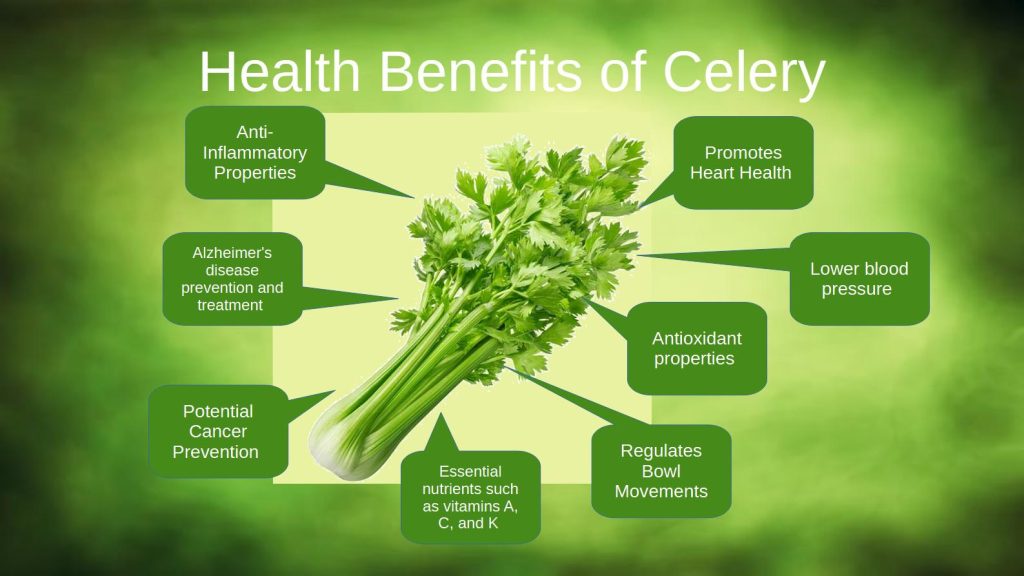
Anti-Inflammatory Properties of Celery
Beyond its prebiotic effects, celery contains several bioactive compounds with anti-inflammatory benefits, including:
- Apigenin: A flavonoid shown to reduce inflammatory signaling in the gut and throughout the body (Trusted Source).
- Luteolin: Helps modulate the immune system and prevent chronic inflammation.
- Vitamin K: Supports cardiovascular health and reduces inflammatory markers (Trusted Source).
Reducing gut inflammation is crucial for maintaining microbiome diversity, preventing dysbiosis (imbalanced gut bacteria), and supporting overall wellness.
Celery and Regular Bowel Movements
One of the simplest yet most impactful benefits of celery is its support for regular bowel movements. The combination of soluble and insoluble fibers promotes stool formation, prevents constipation, and encourages healthy transit times through the digestive tract (Trusted Source).
In addition, fermentation of soluble fiber by gut bacteria produces short-chain fatty acids (SCFAs) such as butyrate, which serve as an energy source for colon cells and further support gut barrier health (Trusted Source).
Incorporating Celery into a Gut-Friendly Diet

The good news is that celery is easy to add to your daily meals, whether raw, cooked, or juiced. Here are some practical ideas:
1. Raw Snacks
- Pair celery sticks with hummus, almond butter, or guacamole for a prebiotic-rich snack (Trusted Source).
2. Smoothies and Juices
- Blend celery with cucumber, spinach, and apple for a refreshing, gut-supportive drink (Trusted Source).
- While celery juice is trendy, keep some pulp to retain fiber content (Trusted Source).
3. Soups and Stews
- Celery adds both flavor and fiber when sautéed as a base for soups, stews, or vegetable broths (Trusted Source).
4. Salads and Bowls
- Chop celery finely and add to grain bowls, salads, or fermented dishes like kimchi for extra crunch and prebiotic benefits (Trusted Source).
5. Roasted or Sautéed
- Roast celery with olive oil and herbs for a savory side dish that retains gut-friendly nutrients (Trusted Source).
Celery and Gut Diversity
A diverse gut microbiome is associated with better overall health, including improved immune function, metabolic health, and reduced risk of chronic disease (Trusted Source). Consuming prebiotic foods like celery regularly helps increase bacterial diversity, allowing beneficial microbes to outcompete harmful species.
Research indicates that people who consume higher amounts of fiber-rich vegetables such as celery have higher levels of Bifidobacterium, Lactobacillus, and Roseburia, all of which play key roles in maintaining gut health and reducing inflammation (PMC Study).
Special Considerations
While celery is generally safe and beneficial, there are a few considerations:
- Allergies: Some individuals may have a celery allergy, which can trigger mild to severe reactions (Trusted Source).
- Medication Interactions: Celery can act as a natural diuretic, so individuals on blood pressure medications or anticoagulants should consult their healthcare provider (Trusted Source).
- Moderation: As with all high-fiber foods, gradually increase celery intake to prevent bloating or gas (Trusted Source).Celery Recipes for Daily Gut Support
1. Celery & Apple Morning Smoothie
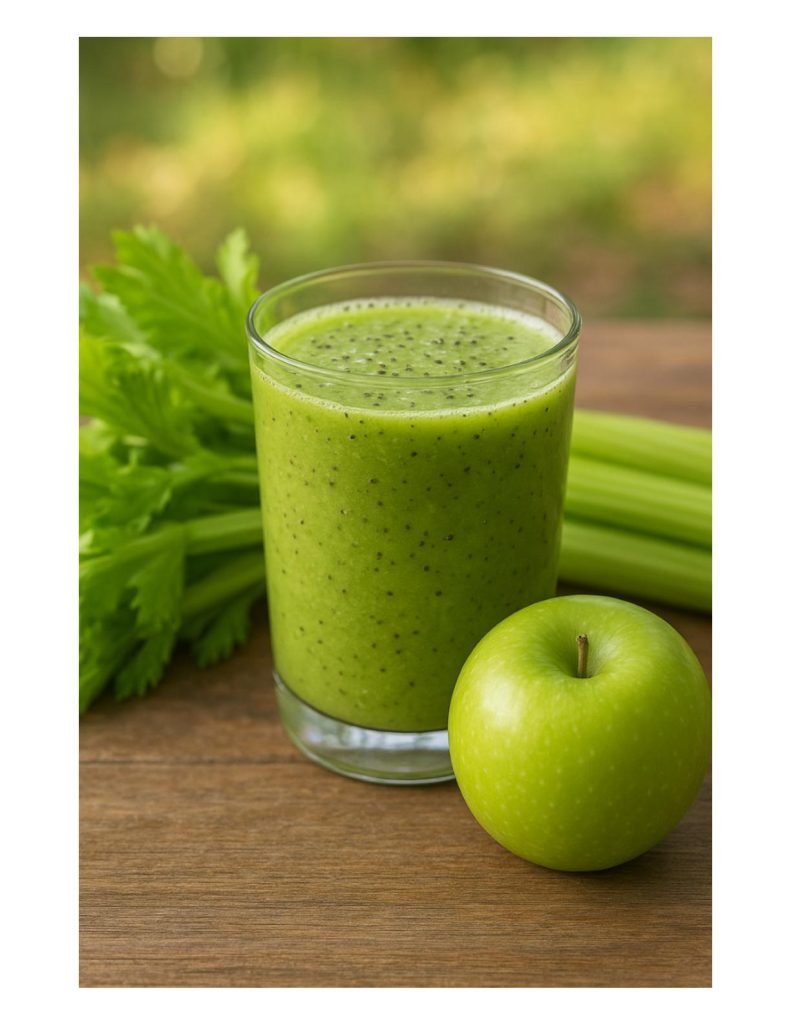
- 2 stalks celery
- 1 green apple
- 1/2 cucumber
- 1 cup water or coconut water
- Optional: 1 tsp chia seeds
Blend until smooth. Drink first thing in the morning to kick start digestion and feed gut bacteria (Trusted Source).
2. Savory Celery Stir-Fry
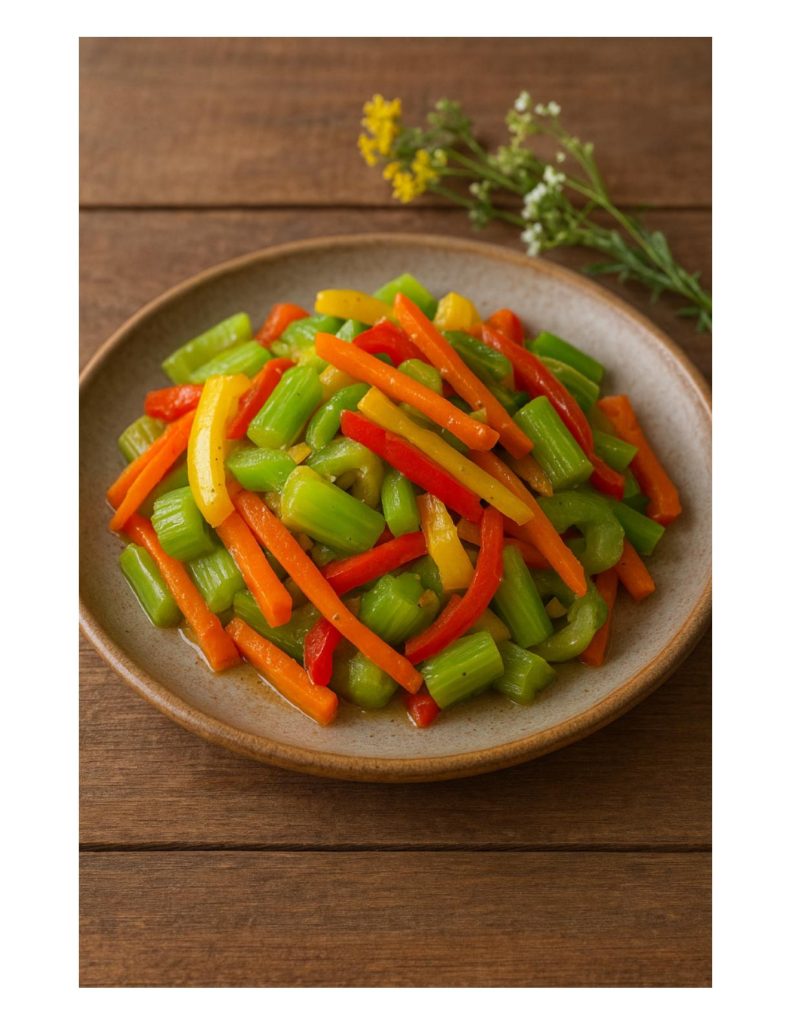
- 3-4 chopped celery stalks
- 1 cup sliced bell peppers
- 1 carrot, julienned
- 1 tbsp olive oil, garlic, and ginger
Sauté for 5-7 minutes. Serve with brown rice or quinoa for a prebiotic-rich lunch (Trusted Source).
3. Celery & Chickpea Salad
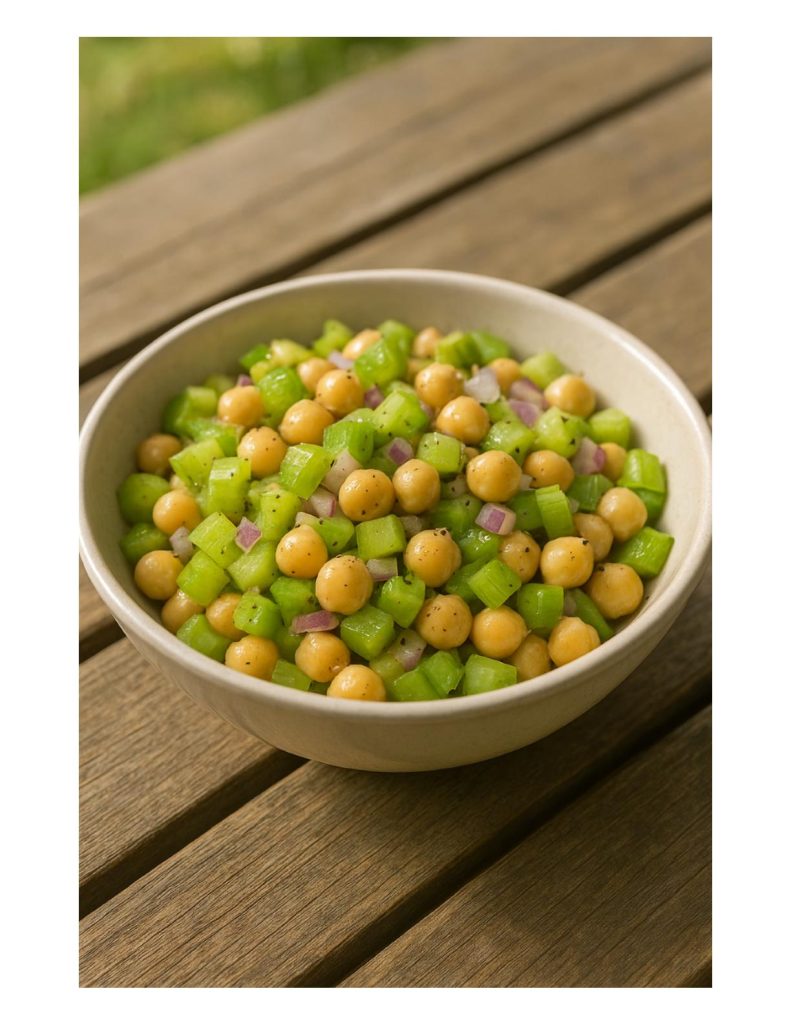
- 1 can chickpeas, drained
- 2 stalks celery, diced
- 1/4 red onion, minced
- 1 tbsp olive oil
- 1 tsp lemon juice, salt, pepper
This salad combines protein, fiber, and prebiotics, feeding gut bacteria and keeping digestion smooth (Trusted Source).
Conclusion
Celery may be humble, but its benefits for the gut and overall health are mighty. As a natural prebiotic, it fuels beneficial gut bacteria like Bifidobacterium and Lactobacillus, supports gut lining integrity, and helps manage inflammation. Including celery in your diet—whether raw, cooked, or juiced—can strengthen your microbiome, support regular bowel movements, and even aid in reducing leaky gut symptoms.
By embracing celery as part of a holistic, gut-friendly approach, you’re not just adding crunch to your meals—you’re actively nourishing your digestive system, enhancing microbiome diversity, and supporting long-term wellness.
