
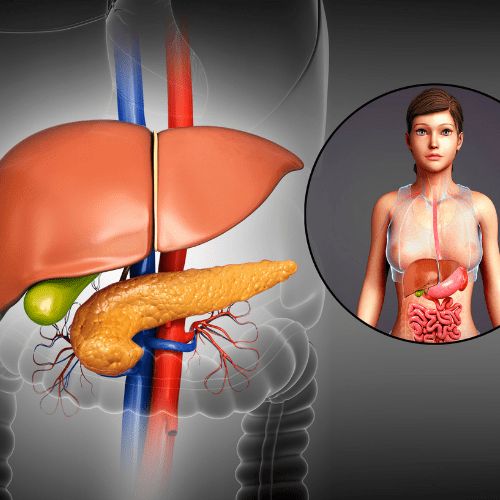
Gallstones & Menopause — A Bushveld River Story
“Imagine your body as a winding bushveld river: crystal clear, teeming with lively fish — your hormones, microbes, bile — meandering through the landscape. Now imagine one tributary, your gallbladder-stream, slowing down, silt-laden, stones forming in its bed.”

Gallstones form when your gallbladder stream slows and sediment starts to settle — a silent tributary warning
This is what can happen across menopause, when hormones, metabolism, and your gut microbiome all shift. Let’s explore what’s happening and what you can do to keep your gallbladder stream flowing.
Why Do Gallstones Form?
When bile becomes overloaded with cholesterol or other stone-forming substances, and the gallbladder doesn’t empty efficiently, crystals can form and eventually turn into stones. Think of it as sediment pooling in your bushveld tributary.
Key contributors:
-
- Cholesterol supersaturation in bile
-
- Reduced bile salts or phospholipids, which normally keep cholesterol dissolved
-
- Sluggish gallbladder contraction → bile stagnation
-
- Altered bile acid composition or metabolism
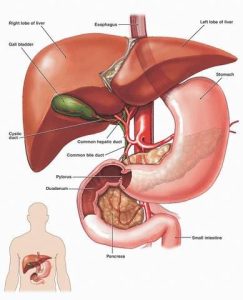
Menopause and Hormonal/Metabolic Shifts
Hormonal Changes
During perimenopause and menopause:
-
- Estrogen increases cholesterol secretion into bile. Women on estrogen therapy have ~1.7× higher odds of gallstone disease.
-
- Progesterone decline slows gallbladder contractions → bile retention increases stone risk.
-
- HRT use is associated with a higher risk of gallbladder disease or surgery.
Metabolic & Lifestyle Shifts
Menopause often brings:
-
- Slower metabolism, possible abdominal weight gain
-
- Increased insulin resistance
-
- Altered lipid/cholesterol handling
-
- Reduced physical activity or dietary changes
The Gut Microbiome — The Hidden Tributary
Your gut microbes aren’t just spectators; they actively influence bile flow, cholesterol metabolism, and gallstone risk.
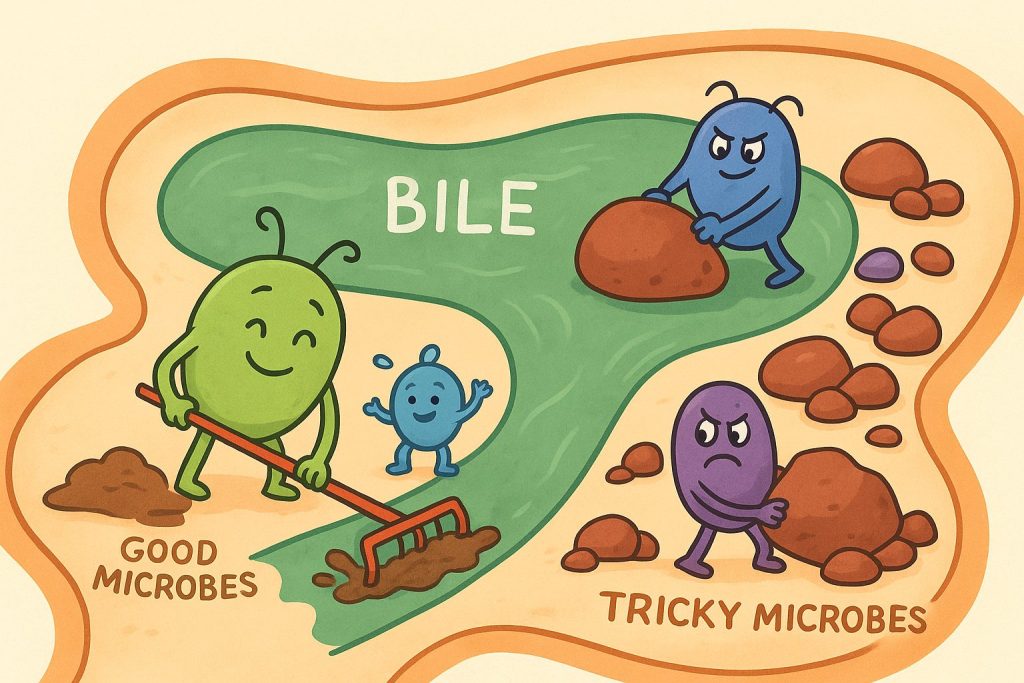
Picture your microbiome as a busy bush-camp of riverkeepers. Some microbes dredge the stream and keep bile flowing, while others sneak in when the camp weakens, stirring up sediment and raising cholesterol → stones begin to form.
What the Research Shows
-
- Desulfovibrionales: Enriched in people with cholesterol gallstones; mice transplanted with gallstone-patient faeces developed stones.
-
- Dysbiosis: Reduced diversity and altered species composition increase secondary bile acids and disrupt cholesterol/bile acid metabolism.
-
- Specific microbes: Clostridium senegalense and Coprococcus 3 increase gallstone risk; Holdemania and Ruminococcaceae NK4A214 are protective.
Beneficial vs Tricky Bacteria
| Good Guys | Tricky Actors |
|---|---|
| Bifidobacterium spp., certain Ruminococcaceae, Lachnospiraceae – support bile acid deconjugation, SCFAs, gut health | Desulfovibrio piger, D. vulgaris – boost secondary bile acids, drive cholesterol absorption |
-
- Some bacteria convert primary bile acids into hydrophobic secondary bile acids → more likely to precipitate cholesterol stones.
How Microbes Influence Gallstones
-
- Secondary bile acids: More hydrophobic → cholesterol precipitates
-
- Cholesterol absorption: Microbial activity increases cholesterol reaching the liver → more biliary cholesterol
-
- Motility & inflammation: Dysbiosis reduces beneficial SCFAs, affecting gallbladder contraction, bile flow, and inflammation
With menopause, hormonal changes can reduce microbial diversity, compounding the risk. So, the river sediment is stirred from both upstream (hormones/metabolism) and downstream (microbes).
Symptoms to Watch
Gallstones are often silent, but may cause:
-
- Upper right abdominal pain (especially after fatty meals)
-
- Bloating, nausea, indigestion, or fatty food intolerance
-
- Gallbladder “colic” (sharp pain)
-
- Yellowing of skin/eyes (jaundice) if bile ducts are blocked
“Don’t brush off digestive changes as ‘just ageing’ — your gallbladder tributary might be signaling for attention.”
Supporting Your Gallbladder, Hormones & Microbiome
Here’s your bush-life toolkit to keep the tributary clear and stones at bay:
Food & Diet
-
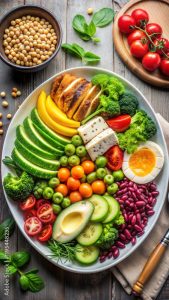
- Diverse colourful plants: More colours = more fibre = better bile flow & microbial diversity
-
- High-fibre foods: Legumes, whole grains, vegetables, fruits
-
- Healthy fats: Olive oil, avocado, nuts, seeds
-
- Limit: Saturated fat, refined carbs, processed foods
-
- Hydrate: Water supports bile fluidity
-
- Feed the microbiome: Fermented foods (yoghurt, kefir, sauerkraut) & prebiotics (onion, garlic, leeks, asparagus)
-
- Avoid rapid weight-loss diets: Sudden calorie drops can trigger stones
Lifestyle & Movement
-
- Move daily: 30 mins most days stimulates gallbladder drainage
-
- Regular meals: Skipping meals → bile stasis
-
- Manage stress: High stress slows gut motility and affects microbes
-
- Sleep: Supports microbial balance and hormone regulation
-
- HRT considerations: Oral estrogen carries higher gallstone risk than transdermal — discuss with your clinician
Microbiome-Specific Strategies
-
- Encourage fibre diversity
-
- Limit unnecessary antibiotics
-
- Include SCFA-promoting foods: Resistant starches, legumes, oats
-
- Consider probiotics/prebiotics under guidance
Hormonal & Clinical Awareness
-
- Menopause increases gallstone risk via estrogen, progesterone, and metabolic changes
-
- If symptomatic, request ultrasound or discuss with a clinician
-
- Inform your clinician about gallbladder history if using HRT
-
- Understand the impact of gallstones or surgery on bile flow and gut microbes
“Your tools — food, movement, microbial support, and hormone awareness — can keep your gallbladder tributary flowing freely.”
Summary: Your River, Your Renewal
Menopause shifts the flows in your body. Your gallbladder tributary may risk sediment build-up due to hormones, metabolic change, and microbial shifts. The good news? You have many tools to keep the stream clear.
Imagine yourself as the bushveld ranger, clearing the stream, inviting clean rainfall (diverse foods and microbes), and discouraging sediment. Awareness and action mean you’re not just surviving menopause — you’re renewing this vital tributary of your body.
