
Kiwi: A Global Super fruit with a Fascinating History
Few fruits combine rich history, global appeal, and powerful nutrition quite like the kiwi. Packed with vitamin C, fiber, and antioxidants, kiwifruit has earned its place as a true superfruit. But before becoming a staple in fruit bowls and smoothies worldwide, kiwi had an extraordinary journey.
Originally native to mainland China, kiwi was first called mi hou tao, or “macaque peach,” after the monkeys that loved it. In 1904, seeds made their way to New Zealand thanks to Mary Isabel Fraser and were planted by Alexander Allison, with the first fruits appearing in 1910. By the 1920s, Hayward Wright developed the now-famous “Hayward” cultivar—the green kiwifruit most of us know today.
At first, kiwi was marketed as the “Chinese gooseberry.” But during the Cold War, the name created both political and marketing challenges. Gooseberries also belonged to a completely different botanical family, adding to the confusion. Briefly rebranded as “melonette,” the fruit was finally renamed “kiwifruit” in 1959, inspired by New Zealand’s small, fuzzy, flightless bird. The new name stuck, and its popularity soared.
Kiwifruit reached South Africa in the 1960s, where the industry struggled for decades due to climate and pollination challenges. Today, thanks to modern growing techniques, South Africa’s kiwi industry shows strong potential in both domestic and export markets. Globally, China leads production with over two million tons annually, while Italy surprisingly ranks ahead of New Zealand in output.
With over 60 species of kiwifruit, only a few are enjoyed commercially. The classic green kiwi (Actinidia deliciosa) features fuzzy brown skin and bright green flesh, offering a tangy-sweet balance and about 60 calories per fruit. Golden kiwi (Actinidia chinensis), with smooth bronze skin and yellow flesh, is sweeter, less acidic, and considered a premium variety.
Beyond its vibrant taste, kiwi nutrition makes it a standout in healthy eating. It supports digestion, boosts immunity, and provides a refreshing way to enjoy natural sweetness without refined sugar. Whether blended in smoothies, sliced into salads, or eaten on its own, kiwi is a delicious reminder that good health often comes in small, fuzzy packages.
Kiwi: A Nutrient Powerhouse
Kiwifruit is packed with essential nutrients that support overall health and wellbeing. Notably, kiwis are an exceptional source of vitamin C, surpassing even oranges on a per 100g basis. A medium-sized kiwi (≈70g) provides approximately 85% of the daily recommended vitamin C intake, making it a potent immune booster and antioxidant.
Beyond vitamin C, kiwis are rich in several other vital nutrients that contribute to cardiovascular, bone, and cellular health, including:
- Vitamin K: Essential for proper blood clotting and bone strength.
- Folate: A critical B vitamin necessary for cell growth and development; important during pregnancy to reduce the risk of neural tube defects.
- Potassium: Supports heart, kidney, and muscle function while helping to regulate blood pressure.
- Vitamin E: A fat-soluble antioxidant that promotes skin health and strengthens the immune system.
- Antioxidants: Including carotenoids such as lutein, zeaxanthin, and beta-carotene, which help protect against chronic diseases.
- Dietary Fiber: Promotes healthy digestion and supports gut microbiome balance.
- Other Minerals: Kiwis also provide calcium, magnesium, and copper, contributing to bone health, enzymatic function, and overall well-being.
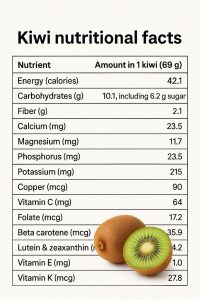
Nutrient Content of One Kiwi (≈69 g)
Incorporating kiwis into your diet is an easy and delicious way to ensure a wide range of essential nutrients, supporting immunity, digestion, cardiovascular health, and overall vitality.
The Health Benefits of Kiwi
Kiwifruit is a nutrient-dense superfruit that offers a wide range of health benefits. From digestion to heart health, kiwi is a versatile food with multiple protective and restorative properties.
1. Supports Digestion
- Contains the enzyme actinidain, which breaks down proteins in foods like meat, dairy, and eggs, aiding digestion.
- Rich in soluble and insoluble fiber, promoting regular bowel movements and reducing bloating.
- The edible seeds and skin provide additional fiber for gut health.
2. Antioxidant Protection
- Rich in vitamin C, vitamin E, choline, lutein, and zeaxanthin, which neutralize free radicals.
- Helps reduce oxidative stress that can damage cells and contribute to chronic diseases such as heart disease and cancer.
3. Promotes Healthy Skin
- Vitamin C supports collagen production and wound healing.
- Vitamin E protects the skin from sun damage and oxidative stress, potentially preventing skin disorders.
4. Improves Sleep Quality
- Contains antioxidants and serotonin, which may improve sleep quality in adults with sleep difficulties.
5. Supports Heart Health and Blood Pressure
- High in fiber, potassium, and antioxidants, all contributing to cardiovascular health.
- One kiwi provides 215 mg of potassium (≈5% of daily requirement) and 2 g of fiber (≈6–9% of daily requirement).
- Fiber helps lower LDL (bad) cholesterol and reduces the risk of atherosclerosis.
- Vitamin E supports blood vessel health, potentially lowering heart attack and stroke risk.
6. Provides Essential Vitamins and Minerals
- Potassium: Supports heart, kidney, muscle, and nerve function; may reduce the risk of cardiovascular disease, kidney stones, osteoporosis, and type 2 diabetes.
- Vitamin K: Strengthens bones, reduces osteoporosis risk, and supports cardiovascular health. One kiwi provides 31 µg of vitamin K (≈25–30% of daily requirement).
- Folate: Important for cell division, especially during pregnancy; one kiwi provides 17.2 µg (≈4% of daily requirement).
- Calcium and phosphorus: Contribute to bone strength alongside vitamin K.
7. May Help Prevent Kidney Stones
- High potassium intake from kiwi may reduce the risk of kidney stone formation.
8. Cancer Prevention
- Antioxidants help neutralize free radicals that can damage DNA and contribute to cancer development.
- High fiber content may reduce the risk of colorectal cancer.
9. Supports Constipation Relief
- Fiber and water retention properties of kiwi improve stool frequency and consistency.
- Research suggests kiwi may serve as a natural alternative to mild laxatives.
10. Anti-Inflammatory Properties
- Proteins kiwellin and kissper may help manage inflammation, particularly in the intestines.
11. Diabetes-Friendly Food
- Low glycemic index (GI) and high fiber content aid in blood sugar regulation.
- Antioxidants and vitamin C may support improved insulin function.
12. Enhances Gut Health
- Prebiotic fiber promotes the growth of beneficial gut bacteria.
- Kiwi helps add bulk to stool, reduce bloating, soften stool, and accelerate intestinal transit.
- Consuming one kiwi daily can improve gut bacteria health by up to 250% within a few days.
13. Supports Overall Well-Being During Pregnancy
- Provides folate and antioxidants that support healthy fetal development and maternal health.
14. Bone Health
- Vitamin K, calcium, and phosphorus contribute to maintaining strong bones and reducing the risk of osteoporosis.
15. Boosts Immunity and Mood
- Antioxidants in kiwi strengthen the immune system and may help alleviate seasonal fatigue and low mood during cold and flu season.
Kiwifruit Health Risks and Considerations
Kiwifruit is widely celebrated for its rich nutrient profile and health benefits. However, certain compounds in kiwis can interact with medications or cause adverse effects in some individuals. Awareness of these potential risks is important for safe consumption.
- Interaction with Beta-Blockers
Beta-blockers are commonly prescribed to manage heart conditions. These medications can elevate potassium levels in the blood. Since kiwifruit is naturally high in potassium, individuals taking beta-blockers should monitor their intake to avoid excessive potassium accumulation. - Kidney Health Considerations
Excessive potassium intake can be dangerous for individuals with impaired kidney function. If the kidneys cannot adequately remove potassium, high blood levels may lead to severe, potentially life-threatening complications. - Interaction with Blood Thinners
Kiwifruit contains significant amounts of vitamin K, which may interfere with the effectiveness of anticoagulant medications such as warfarin (Coumadin). Individuals on blood thinners should consult their healthcare provider before increasing their kiwi consumption, as it could potentially affect blood clotting. - Surgery Precautions
Due to its potential effect on blood clotting, kiwi consumption should be avoided at least two weeks prior to scheduled surgeries. Combining kiwi with medications that slow clotting—such as aspirin, clopidogrel (Plavix), enoxaparin (Lovenox), or heparin—may increase bleeding risk. - Interaction with Antihypertensive Medications
Kiwifruit may lower blood pressure. When consumed alongside antihypertensive medications—such as captopril (Capoten), losartan (Cozaar), amlodipine (Norvasc), or furosemide (Lasix)—there is a potential risk of hypotension. Individuals taking blood pressure-lowering medications should moderate their kiwi intake. - Allergic Reactions
Some individuals may experience allergic responses to kiwifruit, ranging from hives and rashes to more severe reactions like anaphylaxis. People with kiwi allergies often show cross-reactivity to other foods or substances, including: - Latex (latex-fruit syndrome)
- Pollen (pollen-fruit syndrome)
- Avocado, banana, chestnut, apple, peach, papaya, pineapple, olive
- Carrot, potato, wheat, sesame, and poppy seeds
- Hazelnut
- Anyone experiencing symptoms of an allergic reaction after consuming kiwi should seek immediate medical attention.
Kiwi in Food: Uses and Tips
Kiwifruit is prized for its vibrant flavor and versatility in the kitchen. Its natural tartness adds a bold, refreshing note to both sweet and savory dishes. To preserve its unique taste and maintain its rich vitamin C content, kiwis are best enjoyed raw.
1. Natural Meat Tenderizer
Forgot to marinate a tough cut of meat overnight? Kiwifruit provides a natural solution. The enzyme actinidain breaks down proteins, effectively tenderizing meat. Simply mash or puree half a kiwi and add it to your marinade, allowing it to work for about 15 minutes before cooking—enough for approximately 2 kg of meat. Alternatively, you can cut the kiwi in half, scoop out the flesh, and rub the inside of the skin directly onto the meat for a quick tenderizing effect.
2. Avoid Mixing Kiwi with Dairy or Gelatin
Actinidain also breaks down milk proteins and can interfere with gelatin setting. For this reason:
- Avoid incorporating fresh kiwi into dairy-based recipes, such as cream-filled desserts or milkshakes, as it can cause curdling or separation.
- Do not mix fresh kiwi with gelatin or agar-agar, as the fruit prevents it from solidifying. Instead, add kiwi as a topping once desserts have fully set.
3. Freezing Kiwi
Kiwifruit freezes exceptionally well and can be stored in multiple forms: whole, sliced, diced, or as a puree. There is no need to blanch or peel the fruit before freezing—its skin is edible and retains nutrients. Freezing kiwis is a convenient way to enjoy them year-round while maintaining their flavor and health benefits.
Fun and Fresh Kiwi Recipes
Kiwifruit isn’t just a super food—it’s a superstar in the kitchen! Bursting with flavor, color, and nutrients, kiwi can transform your everyday dishes into something exciting and vibrant. Ready to get creative? Here are four irresistible kiwi recipes that are as fun to make as they are to eat:
1. Kiwi–Banana Sorbet
Say hello to your new favorite frozen treat! This Kiwi–Banana Sorbet is refreshingly tangy, naturally sweet, and perfect for cooling down on a warm day. It’s like summer in a bowl, with the silky creaminess of banana balancing the zesty punch of kiwi.
2. Healthy Kiwi Smoothie
Start your morning with a tropical twist! The Healthy Kiwi Smoothie blends juicy kiwi with other wholesome ingredients for a drink that’s vibrant, energizing, and packed with nutrients. One sip and you’ll feel ready to conquer the day!
3. Kiwi Chia Pudding Parfait
Layer up your snack game with the Kiwi Chia Pudding Parfait! With its creamy chia pudding, juicy kiwi, and crunchy toppings, it’s a feast for the eyes and the taste buds. Healthy never looked this pretty—or tasted this fun!
4. Kiwi Ice Tea
Quench your thirst with a splash of creativity! Kiwi Ice Tea combines refreshing kiwi with mint, blueberries, and a hint of citrus, making it the perfect drink for a soft morning glow or a sunny afternoon pick-me-up. Hydration has never been this stylish.
1. Kiwi–Banana Sorbet
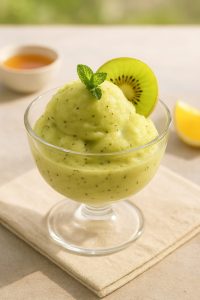
A refreshing, tropical sorbet made with ripe kiwi, banana, honey, and citrus. The banana adds natural creaminess while lemon and lime bring out the bright, tangy flavors.
Ingredients (Serves 4–6)
- 6 ripe kiwis, peeled
- 1 ripe banana
- 35–40 g honey (adjust to taste)
- 80 ml water
- Juice of 1 lime (optional)
- Juice of ½ lemon
Method
- In a small saucepan, combine the honey and water. Heat gently, stirring until fully dissolved. Remove from heat and allow to cool.
- In a blender, puree the kiwi and banana until smooth.
- Add the lime juice, lemon juice, and cooled honey syrup to the fruit puree. Blend again until well combined.
- Transfer the mixture to an ice cream maker and churn according to the manufacturer’s instructions until it reaches a sorbet consistency.
- Serve immediately for a soft sorbet, or transfer to a freezer-safe container and freeze for later.
Serving Notes
- This sorbet tends to set firmly in the freezer. For best texture, remove from the freezer 10–15 minutes before serving.
- Garnish with fresh mint leaves, kiwi slices, or a sprinkle of coconut flakes for a vibrant finish.
2. Healthy Kiwi Smoothie
A vibrant, nutrient-rich smoothie packed with greens, tropical fruit, healthy fats, and protein — perfect as a breakfast boost or a refreshing post-workout drink.
Ingredients (Serves 2)
- 2 cups milk of choice (dairy or plant-based)
- 2 cups baby spinach
- 2 ripe kiwis, peeled
- 1 cup mango (fresh or frozen)
- ½ banana
- ¼ cup avocado chunks
- ¾ cup plain Greek yogurt
- 2 Tbsp chia seeds
- 1 tsp vanilla extract
- Juice of ½ lime
- Optional: protein powder (unflavoured or vanilla), ice cubes if using fresh fruit
Method
- Add all ingredients to a high-speed blender, starting with the milk.
- Blend on high until smooth and creamy.
- Taste and adjust consistency by adding more milk if needed.
- Serve immediately and enjoy!
Recipe Notes & Modifications
- Vegan Option: Replace Greek yogurt with a plant-based alternative (coconut yogurt works beautifully with kiwi). To maintain protein content, use soy milk or add a plant-based protein powder.
- Fruit Variations: Kiwi pairs especially well with strawberries, pineapple, and oranges — feel free to experiment.
- Protein Boost: Add a scoop of your preferred protein powder (unflavoured or vanilla blends best).
- Storage:
- Refrigerator: Keeps up to 1 day. Shake well before drinking.
- Freezer: Pour into jars or freezer-safe containers. Thaw in the fridge overnight or for a few hours before serving.
3. Kiwi Chia Pudding Parfait

A layered, nutrient-dense parfait combining creamy chia pudding, fresh fruit, oats, and yogurt. Perfect as a wholesome breakfast or a refreshing dessert.
Ingredients (Serves 2–3)
- 250 ml plant-based milk
- 60 g chia seeds
- 1 cup rolled oats
- ½ cup plain yogurt
- 4 ripe kiwis
- 1 pear
- A handful of dried coconut flakes
- Honey, to taste (optional)
Method
Step 1: Prepare the fruit
- Peel the kiwis and pear.
- Reserve ¼ of one kiwi, cut into small cubes for garnish.
- Slice another ¼ kiwi into thin rounds for decorating the glass.
- Chop the remaining kiwis and pear, then blend until smooth to create a fruit purée.
Step 2: Prepare the chia pudding
- In a bowl, combine the chia seeds with plant-based milk.
- Stir well and let sit for at least 30 minutes (or overnight) until the mixture thickens.
Step 3: Assemble the parfait
- Choose a clear cylindrical glass for best presentation.
- Line the inside of the glass with kiwi slices for decoration.
- Begin layering with your choice of ingredients. For example:
- Yogurt (base layer)
- Oats
- Kiwi–pear purée
- Oats
- Chia pudding
- Oats
- Continue layering until the glass is nearly full. Add remaining kiwi slices along the rim for a decorative touch.
Step 4: Finish and serve
- Top with dried coconut flakes, kiwi cubes, and an optional drizzle of honey.
- Serve immediately for a fresh, creamy texture, or refrigerate for 1–2 hours (or overnight) for a firmer pudding.
Tip: For extra crunch, sprinkle with crushed nuts or granola just before serving.
4. Kiwi Ice Tea


A light, fruity, and refreshing iced tea infused with kiwi, blueberries, lemon, and mint – the perfect drink to cool down on a hot summer’s day.
Prep Time: 10 minutes
Steeping & Cooling: 30–40 minutes
Servings: 2–3
Ingredients
- 1 ripe kiwi, peeled and sliced
- 8 fresh blueberries
- Juice of ½ lemon
- A handful of fresh mint leaves (divided)
- 1 liter hot water
- Honey, to taste (optional)
Instructions
- In a 1-liter heatproof container, add the kiwi slices, blueberries, lemon juice, and half of the mint leaves.
- Lightly crush the mint leaves to release their aroma, keeping the other half of the leaves whole for garnish.
- Pour hot water over the ingredients. Allow to steep and cool to room temperature.
- Once cooled, stir in honey if desired.
- Refrigerate until chilled. Serve over ice, garnished with fresh mint.
Serving Suggestion
Add cucumber slices or top up with sparkling water for an extra crisp, spa-like twist
Conclusion:
Kiwifruit isn’t just tasty—it’s a true superfruit. From boosting immunity to supporting gut health and beyond, kiwi packs a powerful punch in every bite. Add it to your daily routine, and enjoy the delicious path to better health.
Resources:
- https://www.youtube.com/watch?v=oG62baVIucs
- https://www.britannica.com/plant/kiwi-fruit#:~:text=kiwi-,fruit,in%20vitamins%20C%20and%20K.
- https://nzhistory.govt.nz/chinese-gooseberry-becomes-kiwifruit#:~:text=The%20prominent%20produce%20company%20Turners,became%20the%20industry%2Dwide%20name.
- https://journals.co.za/doi/full/10.10520/ejc-farmweek_v2022_n22006_a14#:~:text=Pienaar%20explains%20that%20consumers’%20buying,and%20Chile%2C%E2%80%9D%20says%20Pienaar.
- https://www.freshplaza.com/latin-america/article/9548667/south-african-growers-learn-to-how-to-produce-kiwifruit-through-trial-and-error/#:~:text=and%20find%20me!-,South%20African%20growers%20learn%20to%20how%20to%20produce%20kiwifruit%20through,Africa%20and%20what%20doesn’t.
- https://guide.michelin.com/us/en/article/dining-in/kiwi-fruit-facts
- https://www.rhs.org.uk/advice/grow-your-own/features/fascinating-facts-kiwis
- https://www.medicalnewstoday.com/articles/271232#:~:text=One%20kiwi%20provides%20around%2017.2,75%E2%80%93120
- https://www.medicalnewstoday.com/articles/271232
- https://health.clevelandclinic.org/kiwi-benefits
- https://www.webmd.com/diet/health-benefits-kiwi
- https://www.webmd.com/vitamins/ai/ingredientmono-944/kiwi#dosing
- https://mranimalfarm.com/can-you-freeze-kiwi/
